

By Attiyya Atkins
POMPANO BEACH, Fla. — Before architects draw the walls of the new E. Pat Larkins Community Center, they want to understand the people whose stories should live inside them.
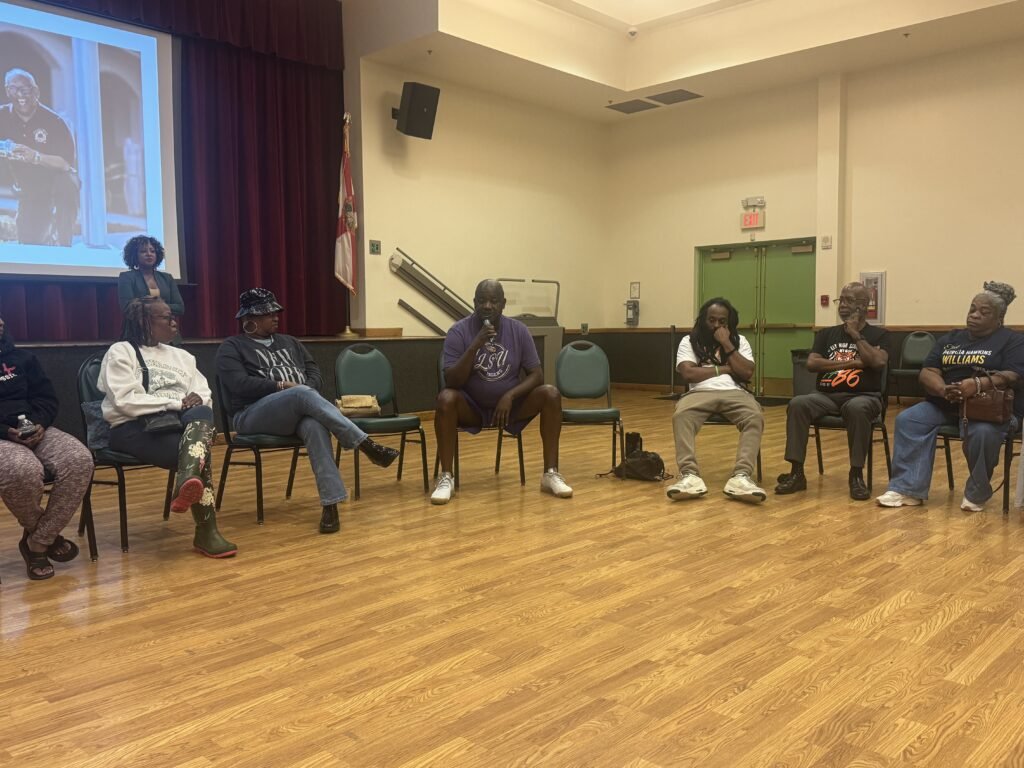
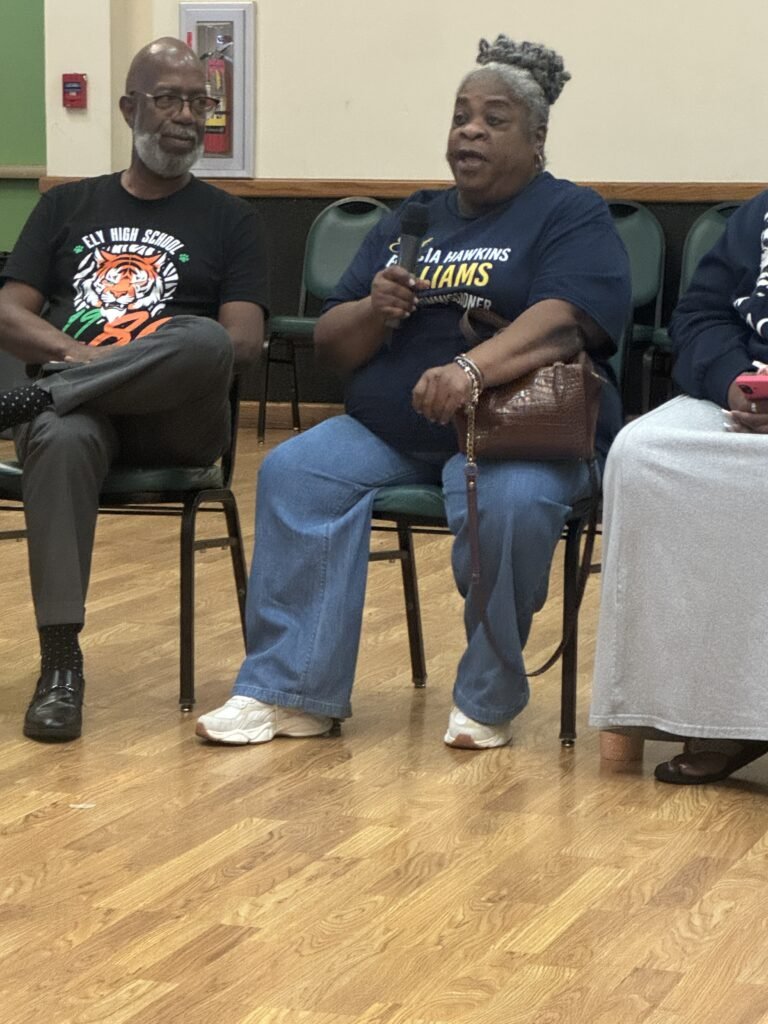
Northwest Pompano residents gathered Monday evening at the existing E. Pat Larkins Community Center for a community engagement session that felt at times more like a family reunion and oral history project than an architecture meeting.
Residents shared memories of Elijah “E. Pat” Larkins, along with stories about farmworkers, pioneering families, educators, business owners and community leaders who helped build Northwest Pompano.
The goal: preserve those stories and find ways to incorporate them into the design and experience of the new community center.
“Everything that we’re sharing today can become architecture,” said architect Stacy Boynton of STUDIO-US.
Remembering the Man Behind the Name
Larkins, Pompano Beach’s first Black mayor, served the city for decades and became an influential figure in Northwest Pompano.
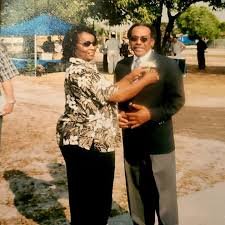
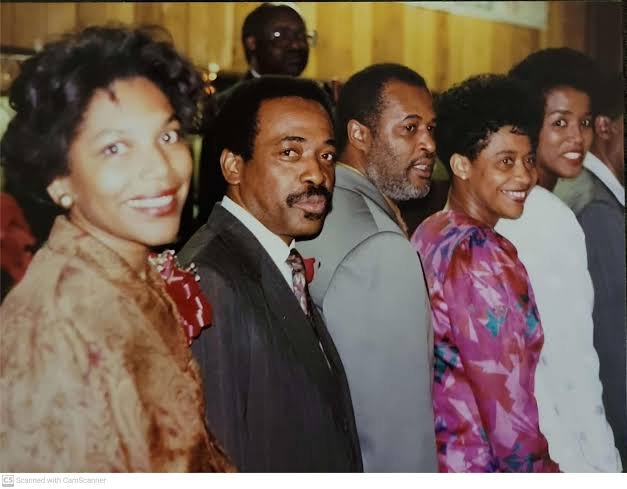
Larkins remained in public office until illness forced him to resign as commissioner and vice mayor in May 2008. He died Feb. 14, 2009, at age 66, after a 16-month battle with brain cancer. His legacy was later commemorated with the naming of the Elijah Pat Larkins Post Office Building on West Atlantic Boulevard and the E. Pat Larkins Center on NW 6th Ave.
But residents at Monday’s meeting remembered him less through titles and more through what he did for people.
They recalled Larkins helping residents find jobs, advocating for children, supporting minority builders and contractors, encouraging civic involvement and opening opportunities for younger community members to serve on boards and become leaders.
One resident remembered Larkins as someone who challenged people to think independently.
“He never tried to tell you what to think, but he always challenged you on what you were thinking,” the resident said.
Greg Jones recalled knowing Larkins through the Boys & Girls Club and remembered him as a strong advocate for the organization and the children it served.
From the Bean Fields to a Changing Northwest Pompano
The conversation also reached further back than Larkins’ political career.
Residents shared stories about Northwest Pompano’s agricultural roots and the Black families who worked in the bean and tomato fields.
Some families followed harvest seasons from Florida north to Virginia, Delaware and New Jersey before returning home to Pompano. Residents recalled children missing portions of school to work alongside their families.
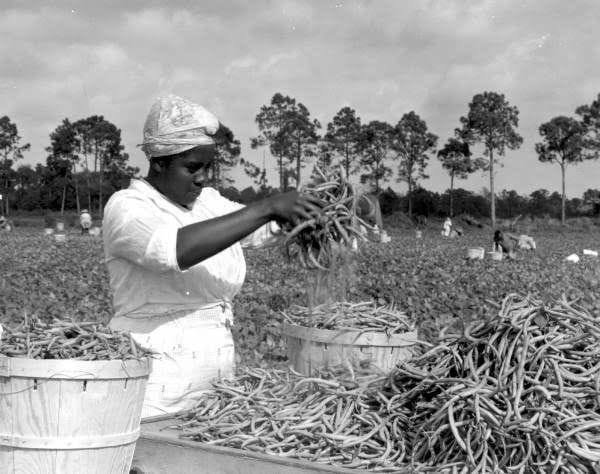
One attendee also shared the story of Josephine Dupree, whom she described as a Black woman working as a farm labor contractor as early as 1947 and transporting workers to the bean fields.
Those memories became part of a larger conversation about perseverance — and how families moved from working the fields to buying homes, pursuing education, building businesses and becoming leaders in the community.
The stories also raised a central question for the architects: How can a new building preserve a history that younger generations may never have personally experienced?
Turning History Into Architecture
The design team made clear that the stories being collected are not simply for a historical record.
“This stuff translates into architecture,” Boynton told residents. “It’s history preservation.”
Ideas discussed during the meeting included incorporating longtime family names into pavers or other physical elements of the building, creating murals and historical exhibits, displaying photographs and developing QR-code experiences that could allow visitors to hear community stories.
Residents also discussed gardens and other features that could connect future generations with Northwest Pompano’s agricultural past.
The architects encouraged attendees to identify families and community pioneers who may be missing from the historical record, emphasizing that the list of names is still growing.
What Would Make E. Pat Proud?
Residents were also asked to imagine what Larkins would expect from a community center carrying his name.
“This building needs to be a Cadillac,” Sarahca Peterson said, after learning that he drove a Cadillac, which symbolizes luxury.
The comment drew on memories of Larkins driving a Cadillac — but the larger message was about quality.
Residents said they want the new facility to reflect pride and excellence while giving Northwest Pompano families access to modern resources.
Ideas included indoor basketball, technology and artificial intelligence spaces, a community kitchen, gardens, youth programming and areas dedicated to local history and culture.
The discussion reflected a desire for a center that does more than commemorate the past. Residents want a building that serves the community now and prepares younger generations for the future.
Passing the Torch
Youth became one of the most important themes of the evening.
Residents remembered Larkins as someone who deliberately brought younger people into civic life and helped prepare them for leadership.
“He made sure he kept people in the pipeline to be mentored,” Demetrius Gibbs said.
Gibbs spoke about the importance of roots, elders and mentorship — and the responsibility of one generation to prepare the next.
That history also highlighted a challenge for the current project: Many of the people who will eventually inherit the new center are too young to have known Larkins personally. Larkins died more than 17 years ago, meaning many of today’s young adults were children — or not yet born — when he died.
One younger attendee noted that she is 43 and never had the opportunity to meet him. For her, community conversations and historical preservation are how people of her generation — and those coming behind them — will understand who he was.
Whose Names Belong in the Building?
Throughout the evening, residents called out names of Northwest Pompano families and community pioneers they believed should be remembered.
The exercise was about more than producing a list.
The design team discussed the possibility of physically incorporating community names and stories throughout the center — potentially allowing the people who helped build Northwest Pompano to become part of the building itself.
That could mean names under visitors’ feet, stories on the walls, voices accessible through technology and historical images incorporated into public spaces.
The architects stressed that the process remains open and that more stories are needed.
A Center for People Who Aren’t in the Room Yet
Near the end of the meeting, residents were asked to think beyond the current generation.
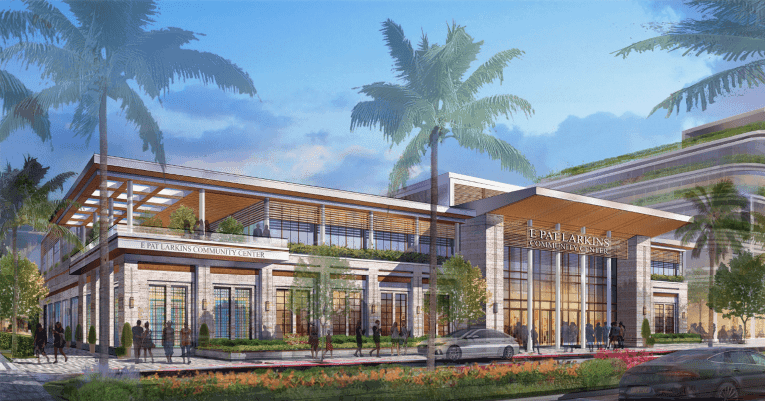
Twenty years from now, when a young person walks into the E. Pat Larkins Community Center, what should that child understand about Larkins and the community that built the place?
One answer was simple:
“Perseverance.”
The word captured much of what had been shared throughout the evening — stories of farm labor, interrupted schooling, economic hardship, civic participation, mentorship and families that continued building despite obstacles.
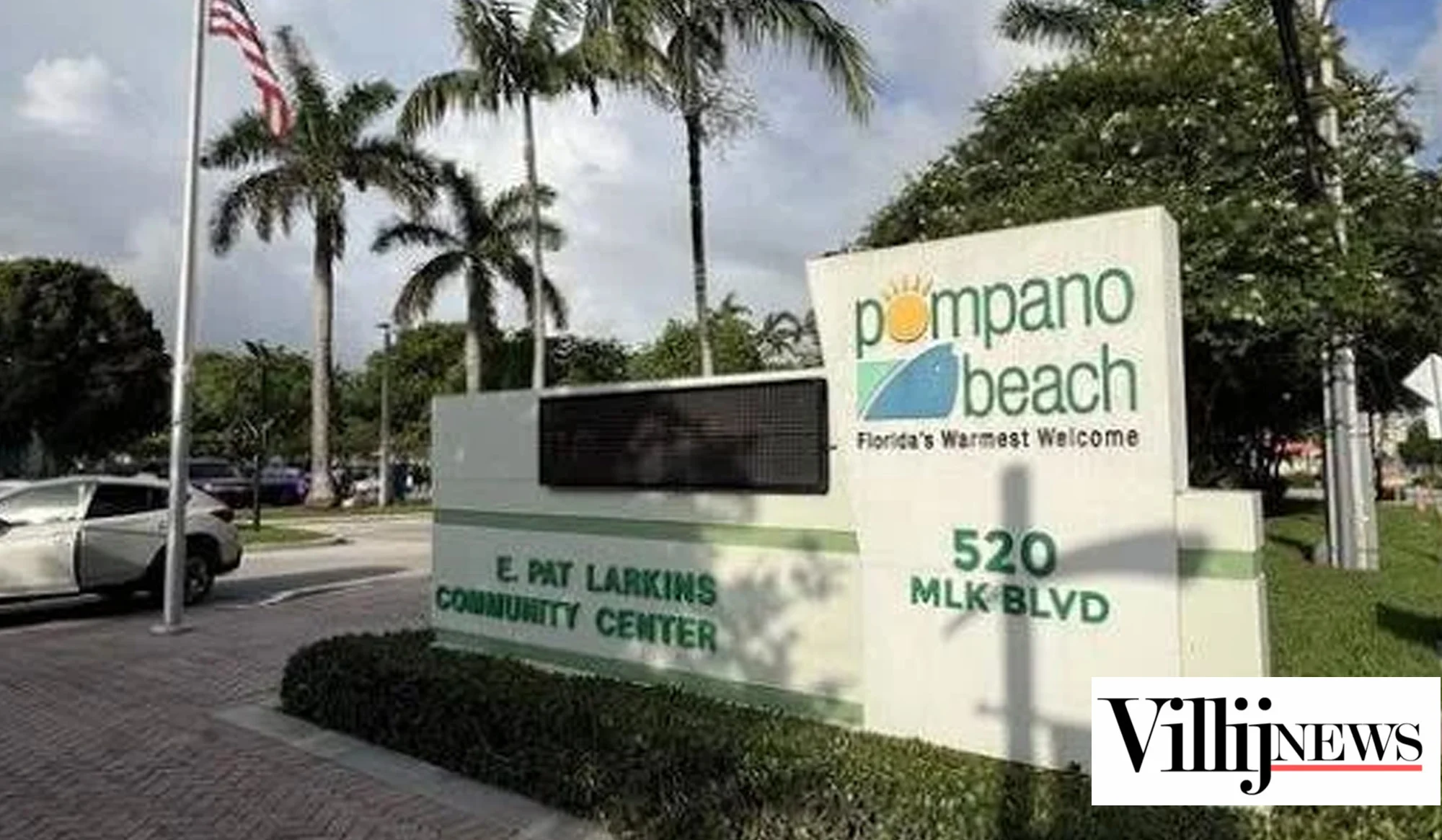
The next community engagement session is scheduled for Oct. 14 at 6 p.m. at the E. Pat Larkins Community Center, 520 Dr. Martin Luther King Jr. Blvd.
That session is expected to move the conversation further into the physical space, giving residents an opportunity to weigh in on the rooms, features and amenities they want included in the new center.
But before deciding exactly what the building will look like, the architects are asking Northwest Pompano to help decide something more fundamental:
What — and who — should this building remember?
Discover more from Villij News
Subscribe to get the latest posts sent to your email.