


By Villij News Staff
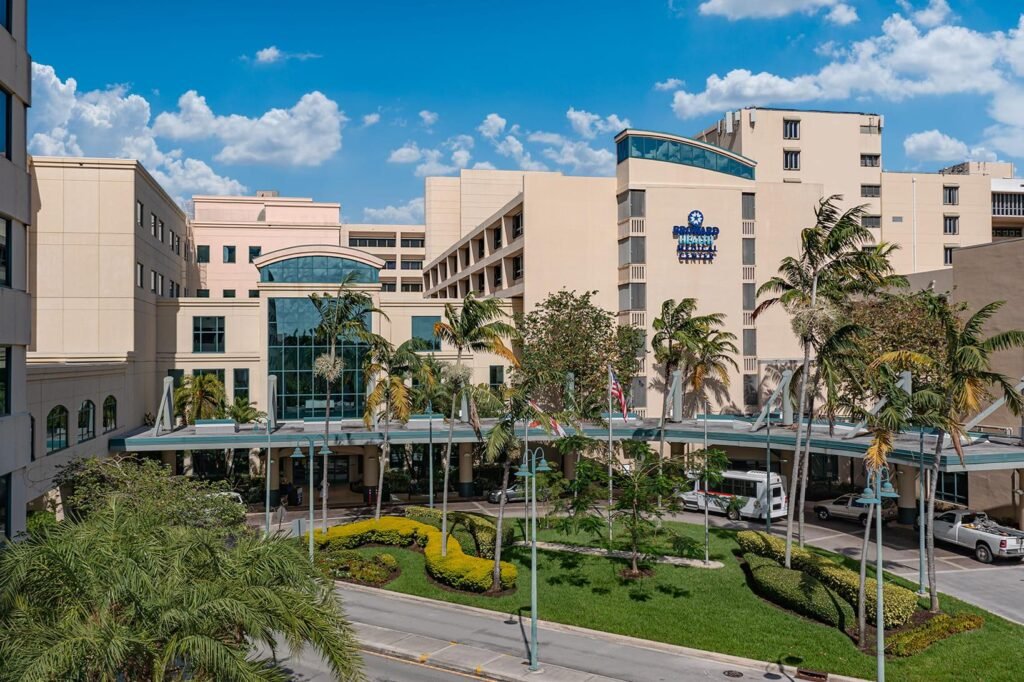
Broward Health Medical Center has introduced a specialized form of cancer immunotherapy designed to help the body’s immune system identify and attack cancer cells, marking a new development in cancer treatment services available to South Florida patients. The hospital announced on October 13 that it had begun offering bispecific T-cell engager therapy, commonly known as BiTE therapy, at its flagship medical center in Fort Lauderdale.
According to Broward Health, the first patient received the treatment on October 12 for a specific type of lung cancer. The healthcare system expects to expand treatment to additional eligible patients, including individuals with multiple myeloma. The introduction of the therapy adds another option for patients whose cancers meet the specific medical requirements for these treatments.
What Is Bispecific T-Cell Engager Therapy?
BiTE therapy is a form of targeted immunotherapy that uses specially designed molecules to help the immune system recognize cancer cells. T cells are immune cells that help the body respond to disease. However, cancer cells can sometimes avoid recognition or interfere with the immune system’s ability to attack them effectively. Bispecific T-cell engagers are designed to connect two different targets at the same time: a protein on a T cell and a protein associated with a cancer cell. By bringing these cells into close contact, the therapy can help activate an immune response directed at the cancer.
The National Cancer Institute identifies bispecific T-cell engagers as a type of targeted therapy used in treating certain cancers, including forms of leukemia, lymphoma, multiple myeloma and small cell lung cancer. Unlike conventional chemotherapy, which generally targets rapidly dividing cells, this treatment is designed around specific biological targets. However, not every cancer patient qualifies for BiTE therapy. Eligibility depends on the particular cancer diagnosis, the drug being considered, previous treatments and a medical team’s assessment.

Broward Health Treats Its First Patient
Broward Health Medical Center reported that its first patient received BiTE therapy on October 12. The treatment was administered for a specific type of lung cancer, although the hospital did not publicly identify the patient, the particular medication used or the patient’s response to treatment.
Simon Blanc, M.D., medical director of hematology-oncology at Broward Health Medical Center, described the therapy as an important advancement because it helps direct a patient’s immune cells toward cancer cells. According to the hospital, additional patients with eligible conditions, including multiple myeloma, are expected to receive the therapy as the program develops.
The rollout represents an expansion of available cancer services rather than the introduction of a universal treatment for cancer. Different BiTE medications have different approved uses, and a patient’s eligibility must be determined by a qualified cancer care team.
Hospital Teams Prepare for Specialized Treatment
Introducing the therapy required preparations across multiple departments at Broward Health Medical Center. According to the hospital, nurses, oncologists, pharmacists, emergency medicine physicians, hospitalists, critical care specialists and medical residents completed specialized education and developed coordinated treatment protocols.
These preparations are particularly important because some T-cell-engaging cancer therapies can trigger significant immune reactions that require close monitoring and prompt medical attention. Potential complications with certain medications include cytokine release syndrome, a condition in which immune activation causes a widespread inflammatory response, and neurological side effects.
The exact risks depend on the medication, the patient’s health and other clinical factors. To support treatment coordination, Broward Health also updated its Epic electronic medical record system so clinical teams could identify patients receiving BiTE therapy. The hospital said these preparations are intended to help medical professionals administer the therapy and monitor patients safely.
Expanding Cancer Care in Broward County
Broward Health Medical Center is initially offering the treatment at its flagship Fort Lauderdale hospital. The healthcare system has announced plans to expand availability to additional Broward Health locations, although it has not provided a specific timeline for that expansion.
For residents of Pompano Beach and surrounding communities, the program represents another specialized treatment option within the county’s public healthcare system. Broward Health operates hospitals, health centers and physician practices serving patients throughout Broward County and South Florida.
Its cancer care services include diagnostic testing, medical oncology, surgical treatment and supportive services coordinated according to individual patient needs. The addition of BiTE therapy reflects a broader shift toward treatments guided by the biological characteristics of a patient’s cancer.
Understanding the Limits of New Cancer Therapies
Although immunotherapy has opened new treatment possibilities for certain cancers, medical experts caution that treatment effectiveness and potential complications vary. For example, the U.S. Food and Drug Administration has approved the T-cell-engaging drug tarlatamab for certain adults with extensive-stage small cell lung cancer whose disease progressed after platinum-based chemotherapy.
That approval applies to a specific drug and patient population and should not be interpreted as approval of every bispecific therapy for every form of lung cancer. Broward Health has not identified the medication used for its first patient, and its announcement did not provide patient survival, remission or response data.
Patients interested in specialized immunotherapy should consult their oncology teams to determine whether a particular treatment is appropriate for their diagnosis. Residents can learn more about the development through Broward Health Medical Center’s official announcement and explore the healthcare system’s cancer care services. Additional educational information about bispecific T-cell engagers is available through the National Cancer Institute.
Villij News will continue covering advancements in healthcare, medical treatments and public health services that affect patients and families throughout Pompano Beach, Broward County and South Florida.
Discover more from Villij News
Subscribe to get the latest posts sent to your email.