

By June Atlas
POMPANO BEACH — When South Florida felt more like the Northeast this February, it caught everyone’s attention.
From Pompano Beach to Fort Lauderdale and Miami, residents layered up, covered plants, checked on elderly neighbors, and did something we rarely do for long stretches of time in this region. We turned on the heat.
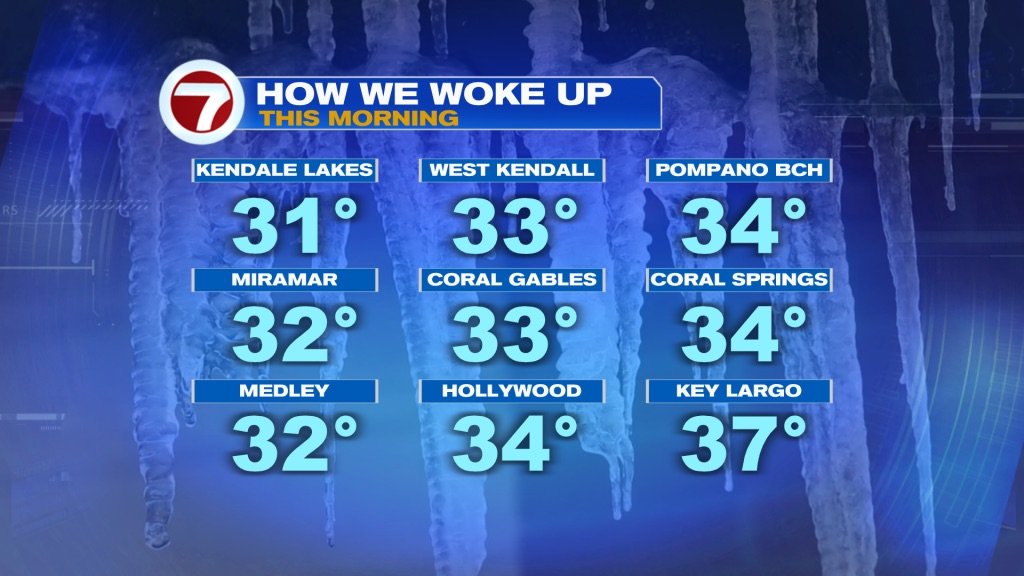
According to national weather reporting from The Weather Channel, February 2026 brought one of the coldest winter stretches South Florida has experienced in more than 20 years, with temperatures dipping into the 30s in parts of the region and record-challenging lows across the state. For a place known for sunshine and sea breeze, it was a sharp reminder that even paradise has its moments.
And in those moments, most of us rely on a system we barely think about.
That system traces back to a Black American inventor named Alice H. Parker.
The Black Inventor Who Helped Shape Modern Central Heating
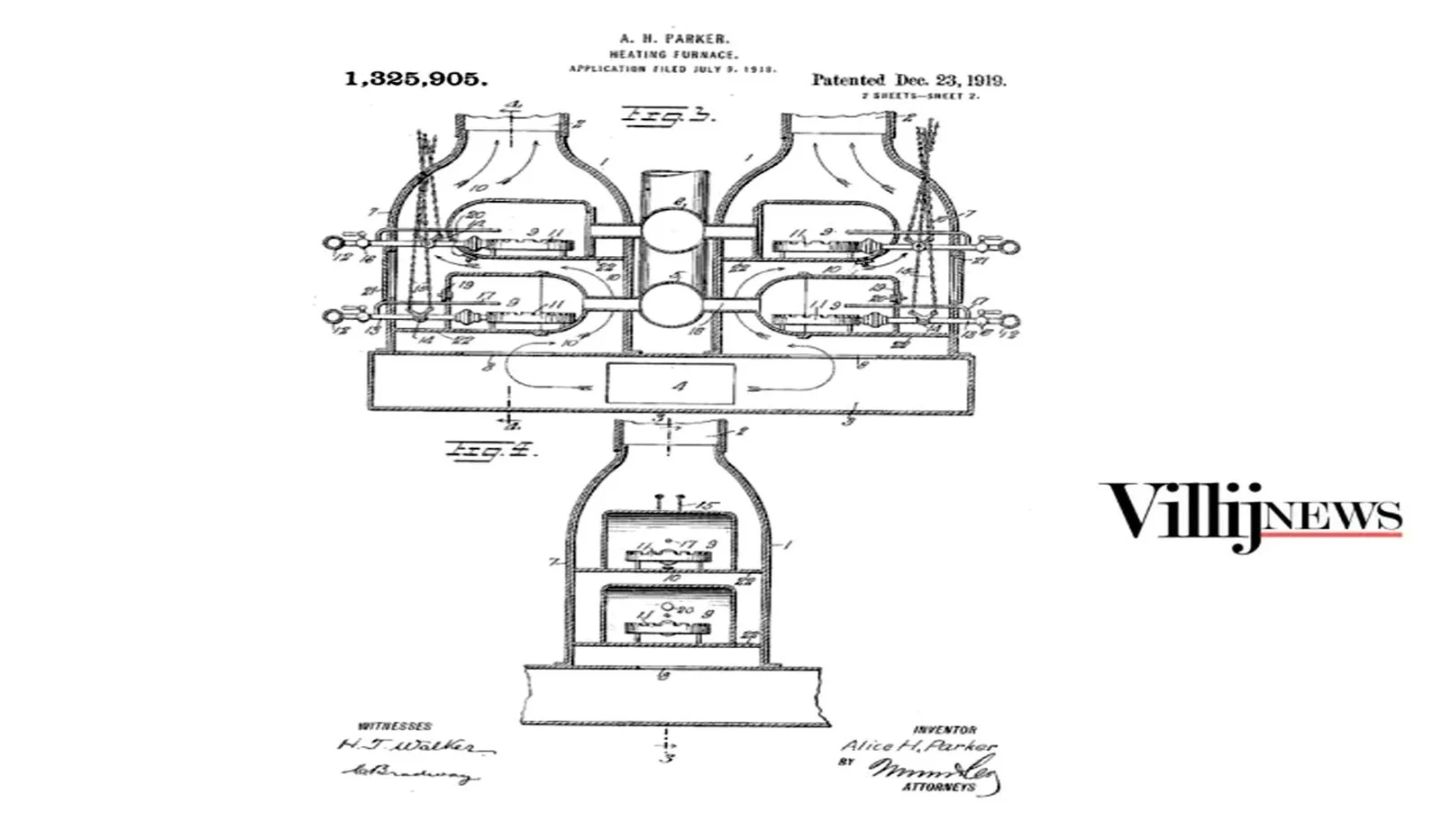
In 1919, Alice H. Parker patented a design for a gas-powered central heating system that introduced a revolutionary idea for its time. Instead of relying on fireplaces or coal stoves that heated a single room, Parker envisioned a system that used natural gas and ductwork to distribute heat throughout different areas of a home.
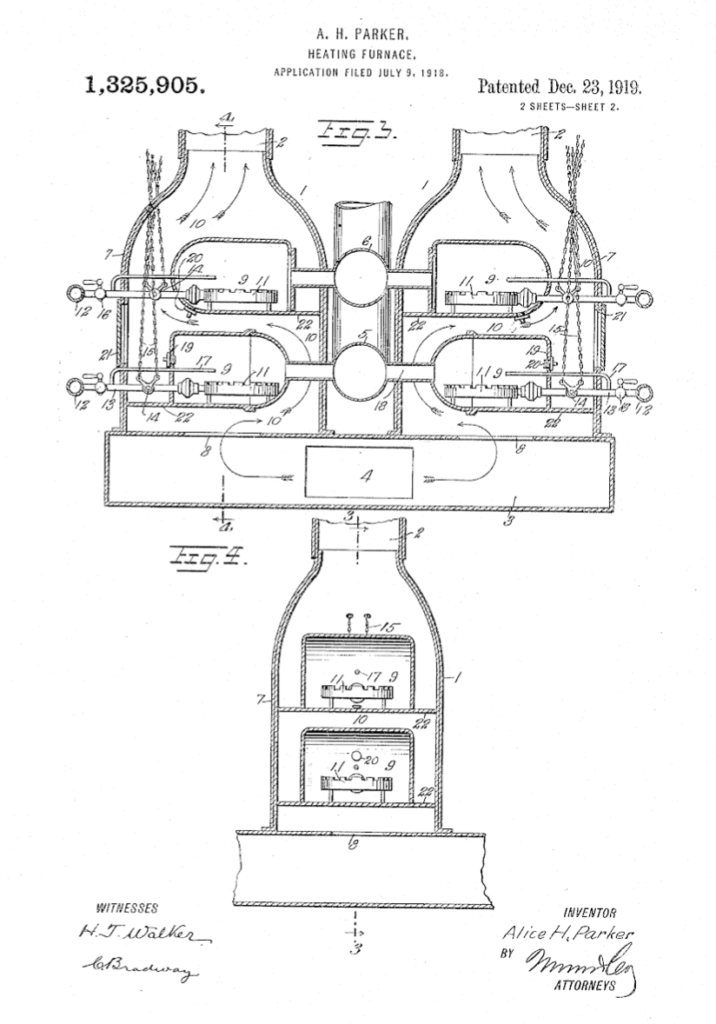
It was an early concept of what we now recognize as central heating and forced air systems.
Today, whether you live in home in Collier City, a Fort Lauderdale waterfront condo, or a Miami high-rise, the ability to regulate indoor temperature evenly across rooms is standard. In 1919, it was visionary.
Parker studied at Howard University at a time when opportunities for Black women in science and engineering were extremely limited. Securing a U.S. patent as a Black woman in the early 20th century was not just an achievement. It was a statement.
She saw a problem and designed a solution.
Why Alice H. Parker’s Legacy Matters in South Florida
South Florida does not typically make national headlines for winter weather. Yet this February’s cold snap forced conversations about frozen pipes, heating systems, and preparedness in a region more accustomed to hurricane planning than arctic air.
When temperatures drop in Pompano Beach, Fort Lauderdale, and Miami, we expect our homes to remain safe and comfortable. That expectation exists because inventors like Alice H. Parker reimagined how heat could be distributed more efficiently and safely.
Her original design was not mass produced in the exact form she proposed, but the concepts she introduced influenced the development of modern HVAC systems. Zone heating. Gas-powered systems. Distributed warmth.
More than a century later, those ideas protect families across South Florida during rare cold spells.
Expanding the Story of American Innovation
We often celebrate the same names when we talk about American invention. Yet many of the technologies that shape daily life were influenced by Black inventors whose stories are not widely taught.
Alice H. Parker’s contribution is not just technical. It is cultural.
She represents the generations of Black innovators who advanced science, engineering, and safety in this country despite systemic barriers. Her work reminds us that innovation has always lived in communities that were not always credited.
So as South Florida moves past this historic February freeze and returns to warmer days, it is worth remembering this.
The comfort we rely on during extreme weather is not accidental. It was imagined, designed, and patented by people with vision.
One of them was Alice H. Parker.
And in moments like this, her legacy feels closer than ever.
Villij News highlights the stories that connect our local present to the history that built it. Because it takes a Villij.
Discover more from Villij News
Subscribe to get the latest posts sent to your email.